
The Rise of Edge Computing: Why It Matters for Modern Applications
Discover how edge computing is revolutionizing data processing by bringing computation closer to the source, reducing latency, and enabling real-time applications.
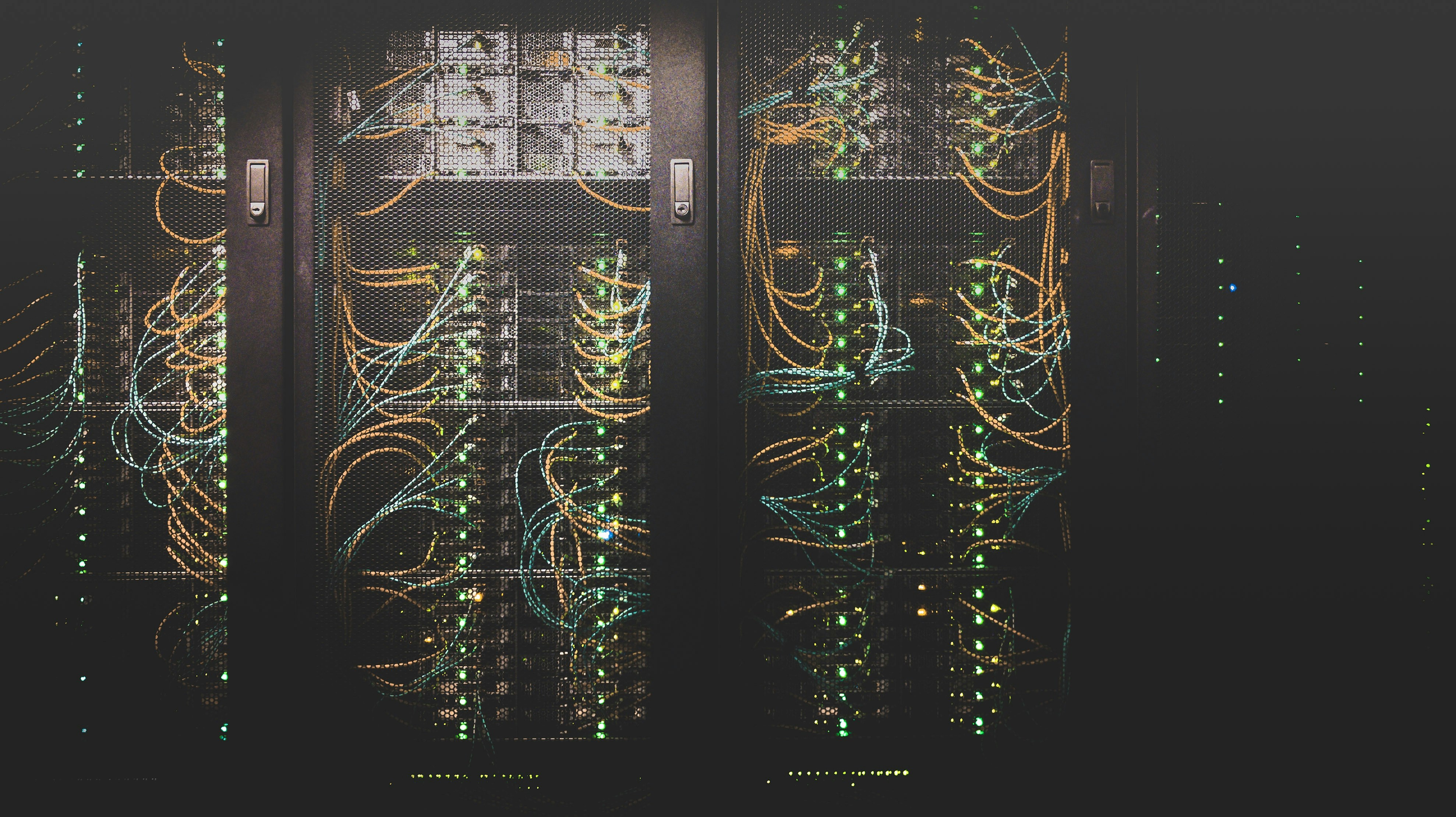
The cloud computing paradigm has dominated the tech landscape for over a decade. But as our appetite for real-time data processing grows, a new approach is emerging: edge computing.
What is Edge Computing?
Edge computing brings data processing closer to where data is generated—at the “edge” of the network. Instead of sending all data to a centralized cloud server, edge devices process information locally, sending only relevant insights upstream.
Key Benefits
- Reduced Latency: Critical for autonomous vehicles, industrial automation, and gaming
- Bandwidth Savings: Less data traveling to the cloud means lower costs
- Improved Privacy: Sensitive data can be processed locally
- Reliability: Applications continue working even with intermittent connectivity
Real-World Applications
Edge computing isn’t just theoretical. Here are some compelling use cases:
- Smart Cities: Traffic lights that adapt in real-time to traffic flow
- Healthcare: Wearable devices that detect anomalies instantly
- Retail: In-store analytics without cloud dependency
- Manufacturing: Predictive maintenance on factory floors
“Edge computing will handle 75% of enterprise data by 2025, compared to just 10% today.” — Gartner
The Future is Distributed
The future of computing isn’t centralized or edge—it’s a hybrid. Smart architectures will leverage both paradigms, using the cloud for heavy processing and machine learning training, while the edge handles real-time inference and local decision-making.
As 5G networks expand and IoT devices proliferate, edge computing will become not just an option, but a necessity for competitive businesses.